

• More Bugs, Best Price

    line
    Brad the Bugman explains why March Biological is the best place to get your Fly Parasites!
    read more
  • You Can Control Flies!

    line
    Flies are not particular about where they live or get their food, but the female fly is careful about where they lay their eggs. Flies look for fresh manure, garbage, or decomposing organic wastes. About 130 eggs are laid in one batch and females may lay up to 21 batches during her short, 30 day lifetime. 1 or 2 days after the eggs are laid the tiny, white maggots, called Larva, hatch. After 1 or 2 weeks the Larva will twice shed its skin. The new skin then hardens into a brown cocoon, called the Pupa. When the weather is warm this stage lasts 3 to 6 days. Inside the larva is changing into the winged fly.
    read more
  • Natures Fly Control

    line
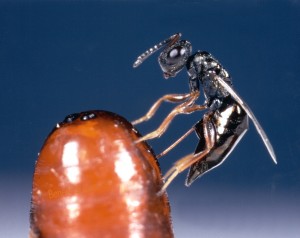
    Fly Parasites are nature's original method of fly control. These tiny beneficial insects kill the larva before it can develop into a fly. Fly Parasites have been proven highly effective in a wide range of applications such as dairies, horse stables, poultry farms, feed lots, and waste water treatment facilities, anywhere flies breed and cause irritation to animals and humans.
    read more

At some point in time everyone must deal with pest problems. Farmers that have root weevils attacking their crops, home owners with fleas and ants in the back yard, apartment dwellers with cockroaches and silverfish in kitchen cabinets, and horse owners with fly problems in the barn. Pests are not only irritating but can spread disease and destroy crops. From time to time we are all faced with the decision whether to swat, scratch or scream when pests come to visit.

Through advertising we have been taught to pick up a can of insecticide, hold our breath and spray. But now we are beginning to learn about the personal and environmental risks associated with the use of toxic chemical insecticides. Many of the pests we are trying to kill are developing a tolerance to chemicals thus making them harder to stop while the Beneficial Insects nature intended to control pests are being killed off.

But there is an alternative, a natural alternative, Beneficial Insects. Prior to the introduction of toxic insecticides in the 1940’s the use of Beneficial Insects for pest control was standard practice. Both the California citrus crop and the Hawaiian sugar field were saved with the use of Beneficial Insects. Every pest has a natural enemy, the key to successful pest control is to identify the pest and it’s natural enemy, releasing the Beneficial Insect early when pest levels are low and let nature take it’s course. Beneficial Insects attack and destroy only insects, they will not bother people, plants or pets.

Most people start using Beneficial Insects because of safety concerns and then after they realize they are easier to use, give better long term results, and are priced competitively. When people stop using toxic chemicals natural predators such as ladybugs and green lacewing start to make a comeback, butterflies and birds are more plentiful. In no time at all the backyard has been transformed into a natural garden.

home title
From the Blog home title
home title
home title

Pest

Controls

Alfalfa Weevil Nematodes , Praying Mantis
Ants Diatomaceous Earth, Nematodes
Aphids Green Lacewing , Ladybugs , Praying Mantis , Sticky Yellow Cards
Apple Maggot Nematodes , Trichogramma
Armyworm Nematodes
Asparagus Beetle Green Lacewing , Ladybugs , Praying Mantis
Bean Beetle Green Lacewing , Ladybugs , Nematodes , Praying Mantis
Soil Beetle Nematodes
Boil Worm Green Lacewing , Ladybugs , Nematodes , Praying Mantis , Trichogramma
Broccoli Worm Green Lacewing , Ladybugs , Praying Mantis , Trichogramma

Cabbage Looper Green Lacewing , Ladybugs , Nematodes , Trichogramma
Cabbage Moth Green Lacewing , Ladybugs , Nematodes , Praying Mantis, Trichogramma, Sticky Yellow Cards ,
Cane Borer Green Lacewing , Nematodes , Praying Mantis , Trichogramma
Canker Worm Nematodes , Trichogramma
Celery Worm Green Lacewing , Nematodes , Praying Mantis
Cherry Fruit Worm Nematodes
Chinch Bug Green Lacewing , Ladybugs , Praying Mantis
Cockroaches Diatomaceous Earth, Nematodes
Coddling Moth Nematodes , Trichogramma
Colorado Potato Beetle Green Lacewing , Ladybugs , Nematodes , Praying Mantis
Corn Borer Green Lacewing , Ladybugs , Nematodes , Praying Mantis , Trichogramma
Corn Earworm Green Lacewing , Ladybugs , Nematodes , Praying Mantis , Trichogramma
Cucumber Beetle Green Lacewing , Ladybugs , Praying Mantis
Cutworm Nematodes , Trichogramma
Earwigs Diatomaceous Earth
Fall Armyworms Green Lacewing , Ladybugs , Nematodes , Praying Mantis , Trichogramma
Fleas Diatomaceous Earth, Nematodes
Flies Fly Parasites , Nematodes
Fruit Flies Nematodes , Sticky Yellow Cards
Fruit Worm Green Lacewing , Ladybugs , Praying Mantis , Trichogramma
Fungus Gnats Nematodes , Sticky Yellow Cards
Gnats Nematodes , Sticky Yellow Cards
Greenworm Green Lacewing , Ladybugs , Nematodes , Trichogramma
Grubs Nematodes
Gypsy Moth Nematodes , Sticky Yellow Cards , Trichogramma
Hornworm Green Lacewing , Ladybugs , Nematodes , Praying Mantis , Trichogramma
Inch Worm Nematodes , Trichogramma
Japanese Beetle Nematodes
Leafhopper Praying Mantis , Sticky Yellow Cards
Leafminer Green Lacewing , Ladybugs , Nematodes , Praying Mantis , Sticky Yellow Cards
Leafroller Praying Mantis , Trichogramma
Mealy Bugs Green Lacewing , Ladybugs , Sticky Yellow Cards
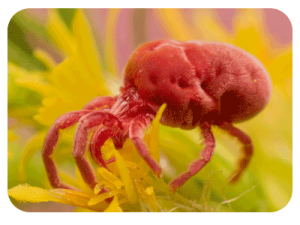
Mites Praying Mantis , Spider Mite Predators
Mosquitos Mosquito Dunks
Root Maggot Nematodes
Scale Green Lacewing , Ladybugs
Slugs Diatomaceous Earth
Snails Diatomaceous Earth
Thrips Green Lacewing , Ladybugs , Praying Mantis , Sticky Yellow Cards
Tomato Hornworm Green Lacewing , Ladybugs , Nematodes , Praying Mantis ,
Webworm Nematodes
Whitefly White Fly Parasites , Green Lacewing , Ladybugs
line
footer
Powered by WordPress | Designed by Elegant Themes